Contact us

Products

Commercial Cotton Candy Vending Machine for Your Budget

commercial cotton candy vending machine

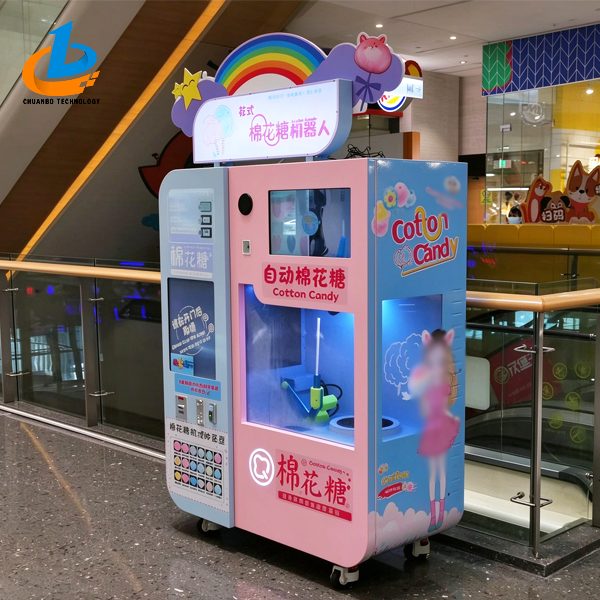
A commercial cotton candy vending machine brings cotton candy preparation into a customer-facing vending format. For a buyer, however, the cabinet is only part of the purchase. The proposed machine must fit the available space, operating conditions and daily service routine before its purchase price becomes meaningful. Chuanbo Technology takes a budget-focused approach through a stated process of requirement consultation, custom solution and quotation approval, design and production, then inspection and global delivery. This approach gives buyers a framework for discussing what their installation actually needs rather than assuming every available feature belongs in the specification. Potential buyers include vending operators, entertainment venue managers, retail concession businesses and distributors assessing equipment for their own markets. Suitability for any particular location remains subject to the proposed model and its documented requirements. Start with the intended location, expected demand and available utilities. Then establish which functions are included, which require confirmation and what the operator must handle between sales. That is the basis for comparing proposals without mistaking an incomplete specification for a lower-cost solution.

Technical Detail

Configured around process stability, mold life, and long-term uptime.

For a budget-led purchase, the useful comparison is the cost of an agreed operating setup, not an unexplained machine price. Chuanbo Technology positions its commercial cotton candy vending machine offering around requirement consultation and custom solution approval before design and production. These stated process features can help buyers separate essential requirements from additions that do not support their intended operation. Build the commercial comparison around distinct cost categories. Equipment and selected configuration belong in one category; installation preparation and recurring operating expenses belong in others. Ask for enough information to estimate ingredient use, consumable requirements, cleaning effort and electricity consumption, but do not substitute assumed figures for model-specific data. A cheaper proposal is difficult to assess if these inputs remain unknown. The same discipline applies to revenue estimates. Base an operating model on your own venue research, proposed selling price and realistic availability rather than an unsupported daily sales promise. Test how the result changes if sales are lower or service visits take longer than expected. No product datasheet has been supplied, so output rate, rated power, dimensions, storage capacity and payment functions cannot be stated here. Chuanbo Technology's consultation and quotation approval stages provide the point at which to establish those figures. The aim is a defined purchase scope that fits the budget, with unresolved costs visible before approval rather than discovered after installation.

Cotton Candy Vending Machine CB218H

The Production Mechanism and the Vending System Are Different

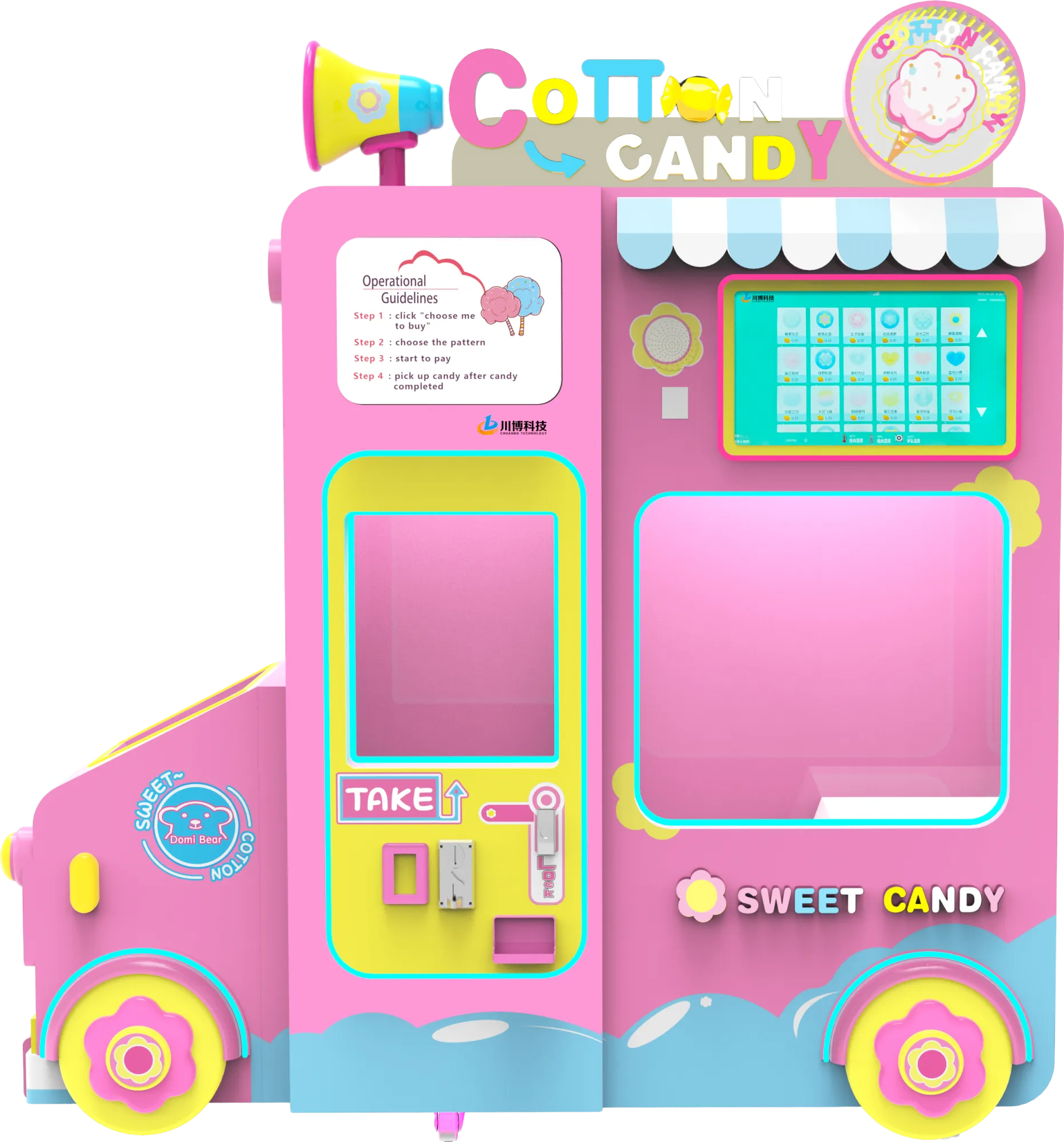
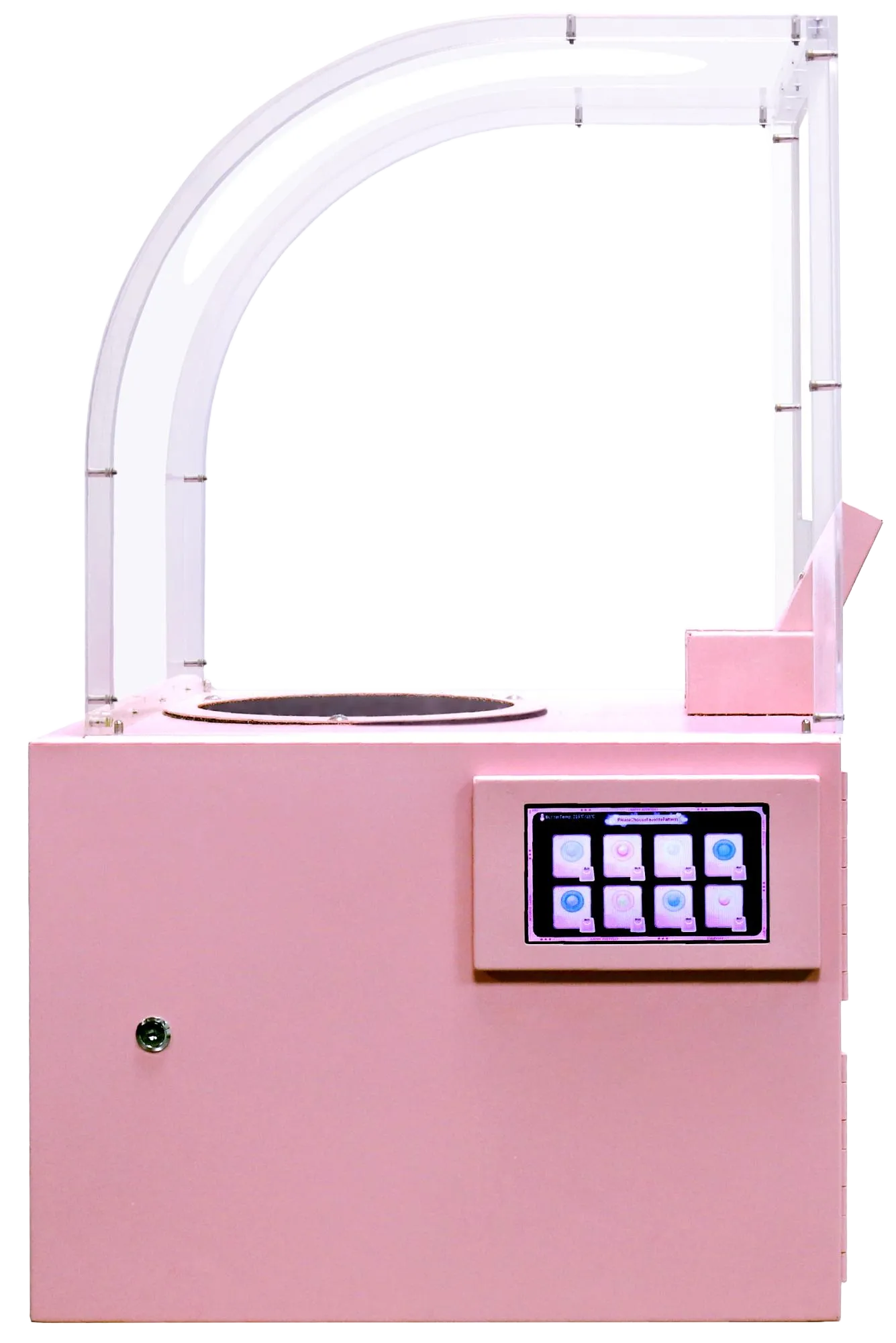
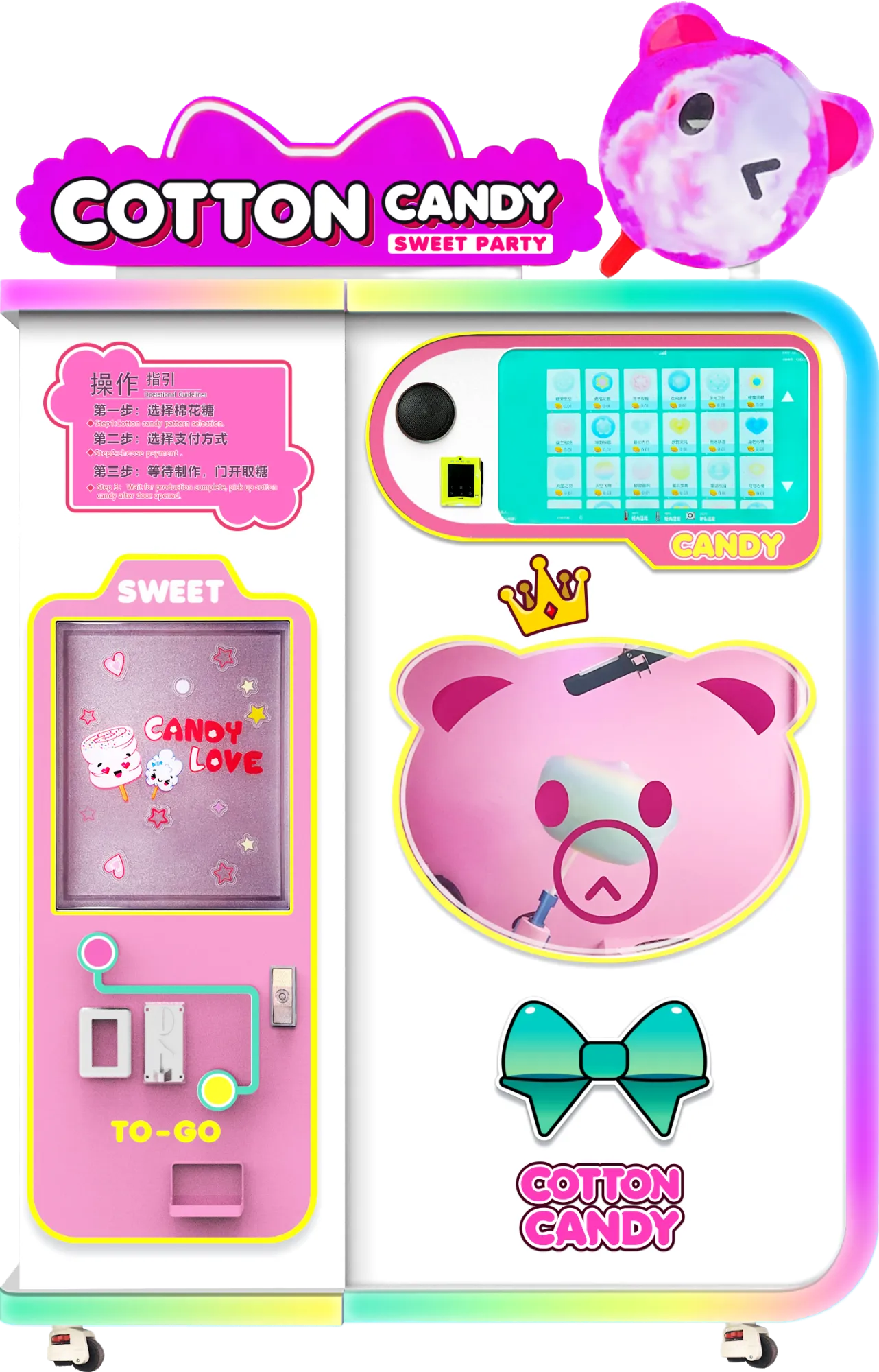
To understand this equipment category, separate cotton candy production from the functions that make the unit a vending machine. Cotton candy equipment uses a heated, rotating floss head; manufacturer operating guidance also identifies separate heating and motor controls. This explains why heating, rotation and shutdown should not be treated as one interchangeable operation. These are general equipment principles, not verified specifications for a Chuanbo Technology model. ([gmpopcorn.com](https://www.gmpopcorn.com/resources/how-tos/how-to-setup-use-and-clean-the-3015-cotton-candy-machine?utm_source=openai)) The vending layer concerns how an order starts, how the serving is formed and how the customer receives it. Those functions must be established from the actual design. Do not infer automatic stick handling, a particular payment method, decorative shapes or remote monitoring from the product name alone. Chuanbo Technology lists design and production after custom solution and quotation approval. Within that sequence, the technical description should distinguish the production assembly from the ordering interface, delivery arrangement and operator access points. A useful system description explains what happens during normal operation and what happens when a cycle cannot finish. Without that distinction, the word automatic says little about which tasks still require an operator.
Cotton Candy Vending Machine CB218H

Assess the Site Before Assuming Venue Suitability

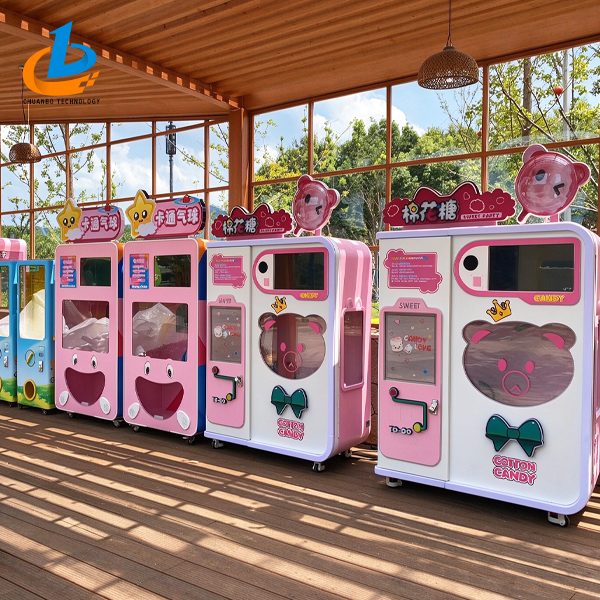
A proposed retail corridor, entertainment venue or concession area should be assessed as an operating environment, not just a source of passing customers. Check the available installation space, the customer collection area and the access needed for replenishment or servicing. These are separate requirements: a cabinet may fit its allotted footprint while leaving insufficient room for the operator to work. Environmental conditions also deserve attention. Cotton candy equipment guidance identifies excessive humidity as a factor affecting the finished product; a specific acceptable operating range must come from the proposed machine's documentation rather than a generic assumption. ([static-pt.com](https://static-pt.com/modelManual/GLDM-3030-00-000_spm.pdf?v=1698943940933&utm_source=openai)) Do not assume outdoor suitability, weather protection or an extended unattended operating period without supporting specifications. Match the intended site's utilities and access arrangements against the documented requirements. For demand, assess concentrated queues as well as total visitors; ask whether the demonstrated production cycle is suitable for the busiest expected period. Chuanbo Technology's requirement consultation stage is the appropriate place to submit these conditions. A location is a candidate only when its physical constraints, operating environment and service access can be reconciled with the proposed configuration.

Cotton Candy Vending Machine CB218H

Prepare a Configuration Brief for Quotation Approval

Turn the site assessment into a short written brief before requesting a commercial cotton candy vending machine quotation. Include the destination market, installation measurements, available electrical supply and intended operating schedule. State your budget boundary and distinguish mandatory functions from preferences. For ordering and payment, describe what customers need to do rather than assuming a particular interface is available. Request written confirmation of supported payment arrangements, serving options and any connectivity requirements. Ask for the proposed model's dimensions, rated electrical requirements, production-cycle information and replenishment instructions. Treat each item as a confirmation request, not an advertised Chuanbo Technology specification. Chuanbo Technology's stated sequence places custom solution and quotation approval before design and production. Use that approval point to record the model, included configuration, exclusions and acceptance criteria in one agreed document. Before moving forward, identify which inspection records and operating documents will accompany the equipment, and clarify delivery responsibilities for the destination. Prices, lead times, minimum order quantities and service terms have not been provided. Obtain them in writing rather than treating them as implied by the consultation process.

News

Industry updates

Products

Production modules

Why Choose Us

Choose Chuanbo Technology for a Defined, Budget-Led Purchase

Chuanbo Technology's stated purchasing process gives budget-conscious buyers a practical basis for discussion: establish requirements, approve a custom solution and quotation, proceed to design and production, then complete inspection and global delivery. The value of this sequence is the opportunity to define the purchase before production begins. Requirement consultation provides a place to explain site constraints and operating priorities. The custom solution stage provides a route for discussing configuration, although any requested modification still needs written feasibility and scope confirmation. Inspection is a separate stated step, allowing buyers to ask which checks will demonstrate conformity with the approved specification. The brand information also lists ISO 9001, FDA and CE. Request the relevant documents and confirm their scope and connection to the proposed equipment; the supplied labels alone do not establish model-specific coverage. Global delivery forms part of the stated process, but destination arrangements and commercial responsibilities must be agreed separately. These are concrete discussion points rather than promises of lowest price, guaranteed returns or particular delivery times. Choose Chuanbo Technology when its documented proposal meets your technical requirements and budget, with the inspection scope and purchasing responsibilities clear before approval.

FAQ

Common technical questions

Can I use ordinary sugar or any flavored sugar?

Ask for the proposed model's approved ingredient specification before buying supplies. No ingredient compatibility information has been provided for Chuanbo Technology equipment. Have the supplier identify permitted sugar types, additives and storage requirements in the operating documentation; do not assume that ingredients suitable for another machine are acceptable.

Can I follow a cleaning video for a different cotton candy machine?

Use the instructions for the exact model. For example, Gold Medal's 3015 guidance specifies unplugging the machine and allowing its floss head to reach room temperature before cleaning. That instruction is model-specific, not a Chuanbo Technology procedure. Request the applicable cleaning method, permitted cleaning products and reassembly checks before operating your machine. ([gmpopcorn.com](https://www.gmpopcorn.com/resources/how-tos/how-to-setup-use-and-clean-the-3015-cotton-candy-machine?utm_source=openai))

Should I compare machines by rated power or servings per hour?

Request both, but do not treat either figure as a complete comparison. Ask how the output figure was measured, including serving size and whether the timing covers the full customer cycle. For electricity budgeting, request consumption information under stated operating conditions rather than calculating running costs from an unexplained power figure alone.

What should an operator do if a customer pays but receives no serving?

Before launch, obtain a documented procedure for this situation. Ask how the proposed configuration records the transaction, identifies an incomplete cycle and handles a refund or operator intervention. Payment logging, automatic refunds and remote alerts are not confirmed features, so establish the actual response rather than promising customers functions the equipment may not support.

Need a solution for your project?

Share your product type, target capacity, and application requirements. Our team can review the details and recommend a practical next step.

Contact Us