Contact us

Products

Fully Automated Cotton Candy Vending Machine

fully automated cotton candy vending machine

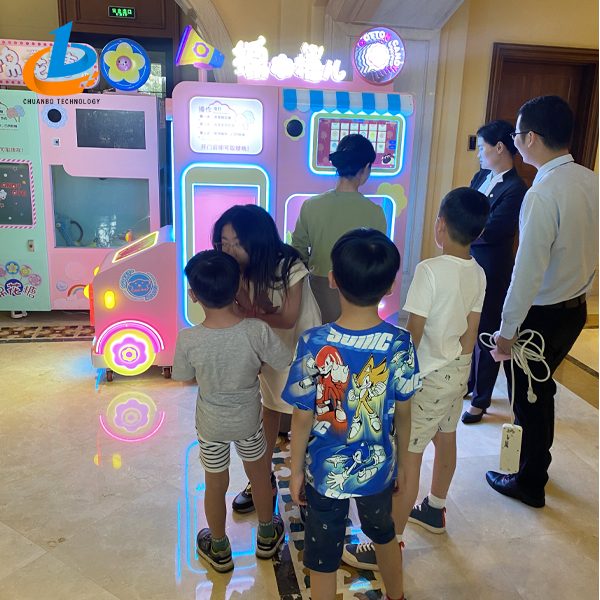
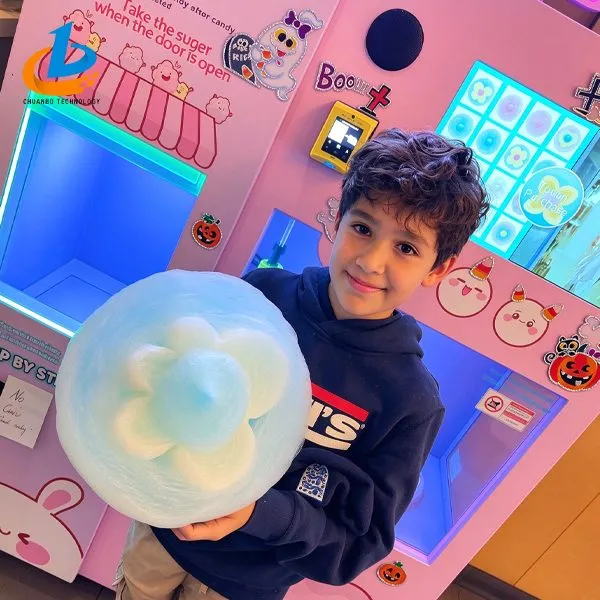
A fully automated cotton candy vending machine brings automated confectionery production to a retail vending format. It is intended to turn a customer order into freshly made cotton candy with limited routine involvement during the sale. Operators still need to plan for ingredient replenishment, cleaning, inspections, and customer support; automation does not remove those responsibilities. For shopping center operators, entertainment venues, and vending businesses, the buying question is whether the machine can work within the site's physical conditions and operating routine. Customer traffic matters, but so do access for servicing, permitted operating hours, and the availability of someone to resolve interruptions. Chuanbo Technology positions its offering for budget-conscious buyers and provides a process covering requirement consultation, custom solution and quotation approval, design and production, then inspection and global delivery. Specific model specifications have not been supplied. Buyers should therefore use the initial discussion to establish the required operating conditions, identify the proposed configuration, and request documented performance information before approving a purchase.

Technical Detail

Configured around process stability, mold life, and long-term uptime.

For a budget-focused purchase, the useful comparison is the cost of putting a machine into service and keeping it available for customers. A lower equipment quotation can leave important expenses unresolved if installation requirements, consumables, or routine service responsibilities remain unclear. Chuanbo Technology's stated cooperation process provides several points at which buyers can define that scope. Requirement Consultation is the starting point for explaining the intended business use and spending limits. Custom Solution & Quotation Approval then provides a stage for reviewing the proposed supply scope before committing to Design & Production. Inspection & Global Delivery is the final stated stage, where buyers should establish what inspection evidence and shipping arrangements the agreement includes. These are confirmed process features, rather than machine performance specifications. No model-level dimensions, production times, electrical ratings, ingredient capacities, or payment options have been provided. A cost comparison should therefore remain conditional until those details are documented. Ask for an itemized quotation that distinguishes the machine, any agreed customization, and applicable delivery charges. Separately estimate local expenses such as site preparation, ingredients, cleaning labor, and transaction fees where relevant. For a fully automated cotton candy vending machine, this approach gives a budget-conscious buyer a more useful basis for comparison than an equipment price alone. It also makes the approval stage more concrete: both parties can review the same scope and identify unresolved costs before production begins.

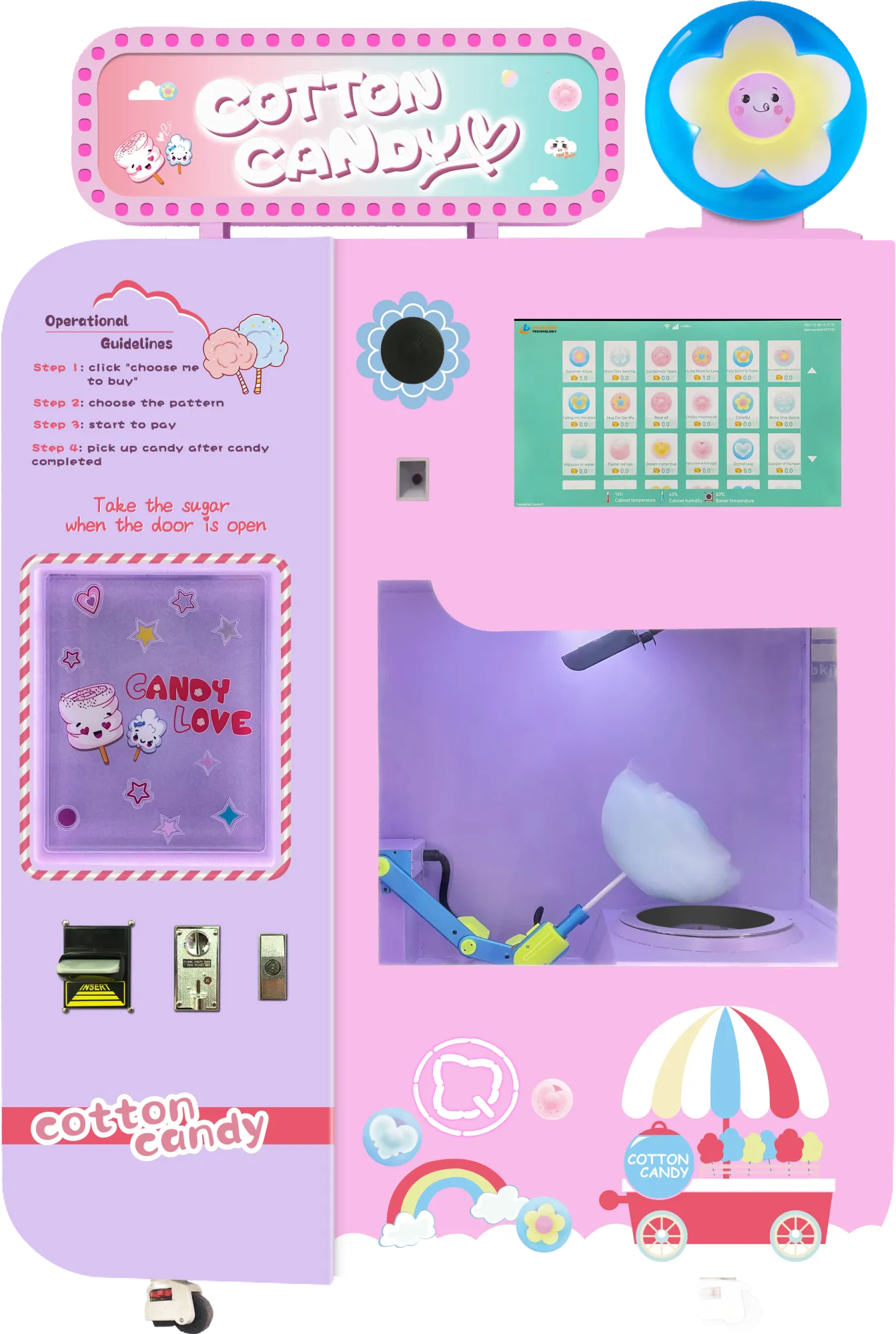
Cotton Candy Vending Machine CB525

How Automated Cotton Candy Production Works

Cotton candy production generally uses heat and centrifugal force. Sugar enters a heated spinning head, melts, and passes through small openings. As the fine strands cool, they form the familiar cotton candy fibers. A vending system adds controls and mechanical handling around that process so an order can progress through a programmed production sequence. The exact sequence depends on the equipment design. Sugar feeding, stick handling, product collection, and customer access may use different mechanisms across machines. The word "fully" does not establish how every task is performed, whether several shapes are supported, or how the system responds to an interrupted cycle. Those details require model documentation. Chuanbo Technology lists Design & Production within its supply process, but no machine drawings or technical specifications accompany the current information. The mechanism described here therefore explains the product category. It does not establish a particular Chuanbo configuration. A technical description of the proposed machine should identify its production stages, explain the customer collection interface, and distinguish automatic cycle functions from tasks that an operator performs between sales.

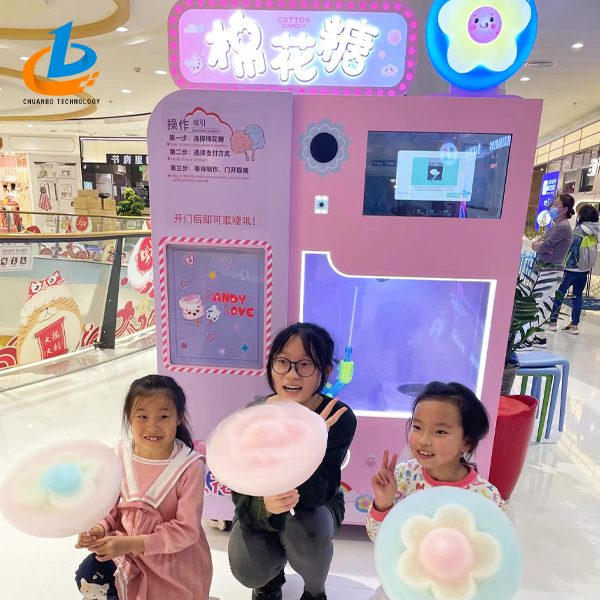
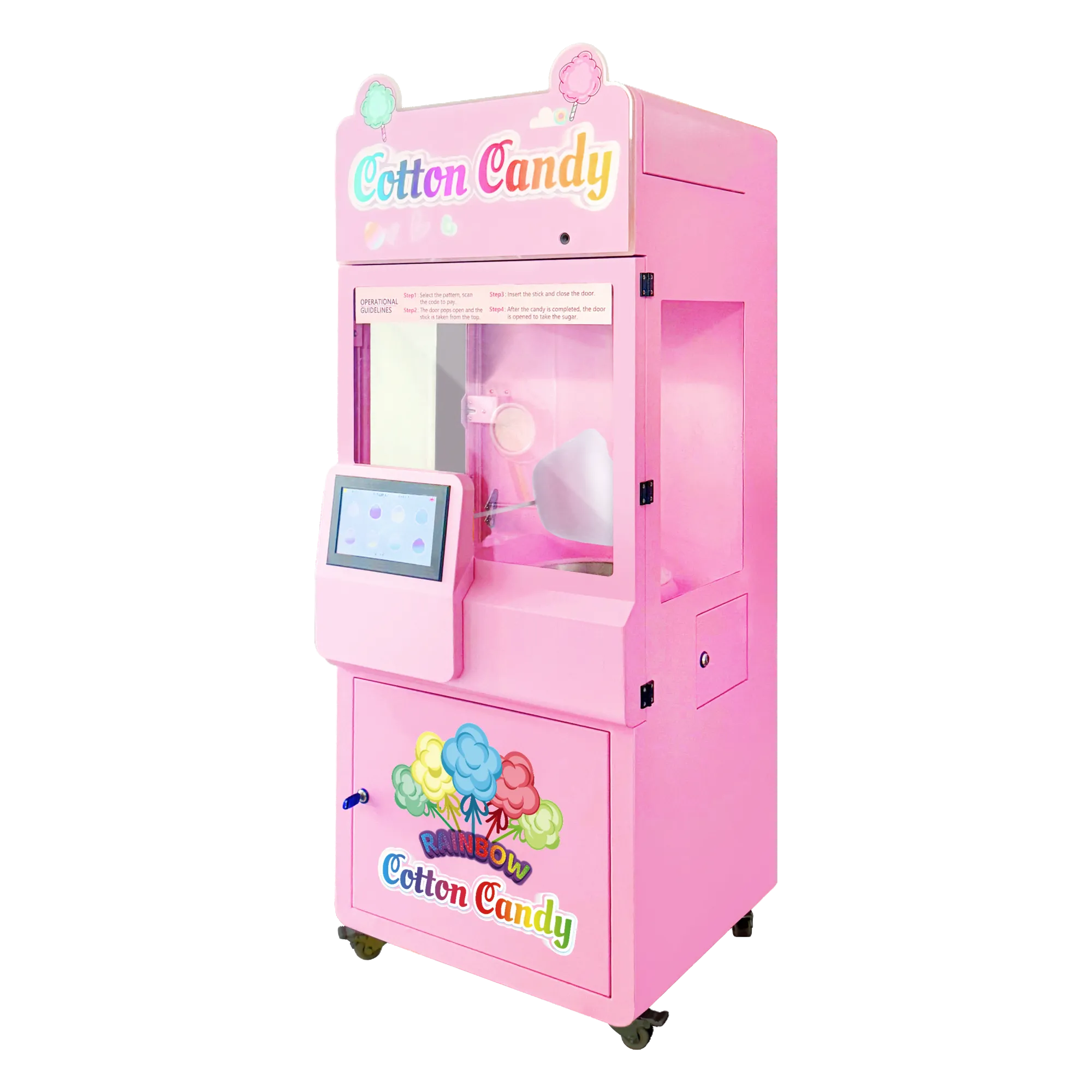
Cotton Candy Vending Machine CB525

Assessing Indoor Sites, Demand, and Service Access

Shopping centers, family entertainment venues, and similar retail locations are potential settings for this product category, subject to site approval and the proposed machine's documented requirements. Suitability depends on more than visible foot traffic. A site needs enough usable space for customers to collect the product without obstructing circulation, alongside access for replenishment and cleaning. Ambient conditions also matter. Cotton candy absorbs moisture readily, so humidity can affect the finished product. Outdoor or partially exposed placement should only be considered if the proposed model's environmental rating and installation instructions support it. No outdoor rating or operating temperature range has been supplied for Chuanbo Technology's offering. Demand must be checked against verified production performance. If several customers arrive together, an unsuitable cycle time can create queues even when daily sales expectations appear modest. Compare measured cycle performance with the site's expected busy periods, and establish how the machine behaves when ingredients run low or a cycle stops. Chuanbo Technology's Requirement Consultation stage is the appropriate point to share these conditions. Site photographs, available utilities, access restrictions, and anticipated demand give the assessment a practical basis.

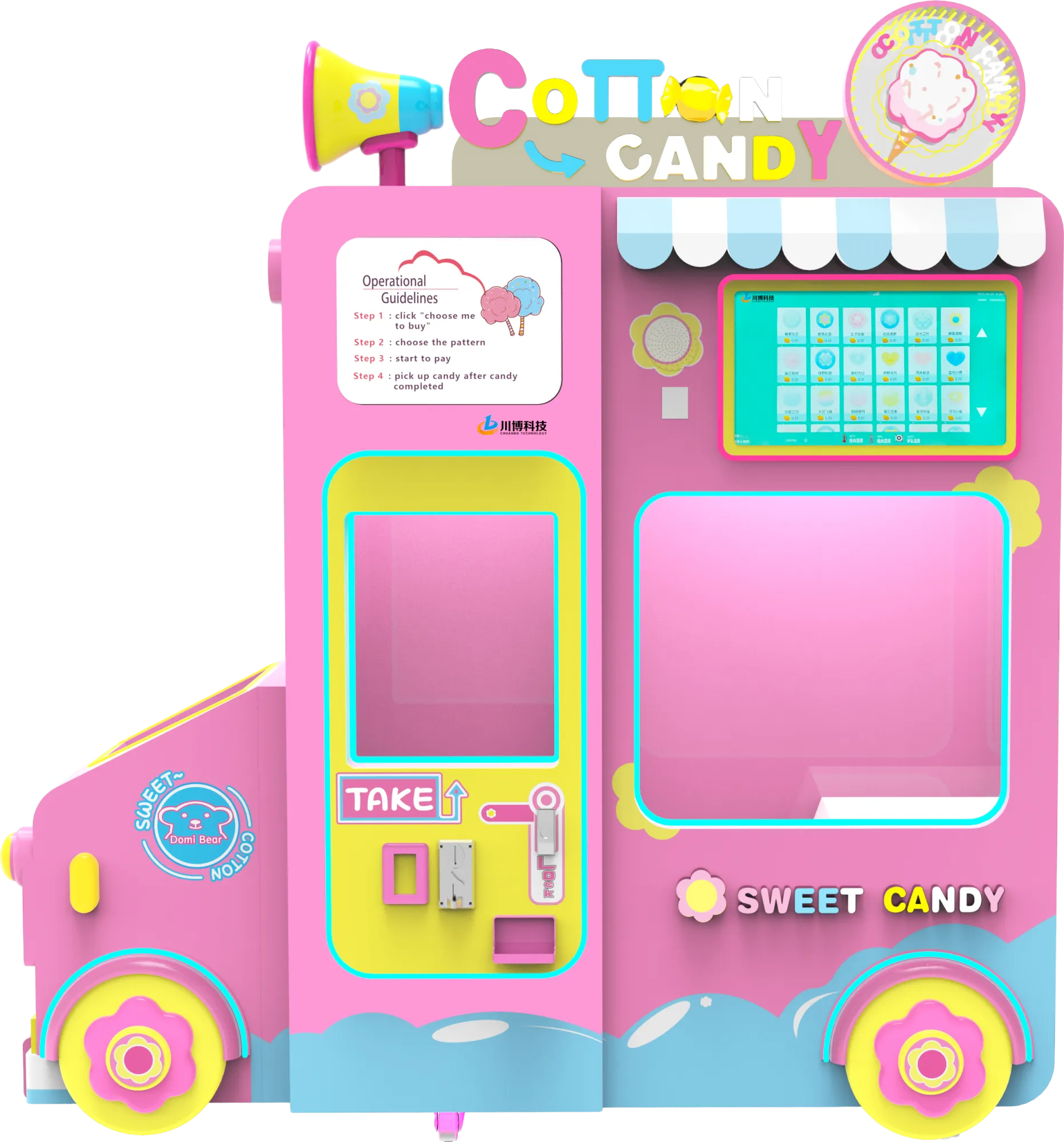
Cotton Candy Vending Machine CB525

What to Submit Before Configuration and Quotation Approval

Prepare a short technical brief before requesting a final proposal from Chuanbo Technology. Identify the installation country, available electrical supply, usable footprint, and any doorway or delivery access limits. Add the expected customer profile and operating schedule so the proposal can address how the machine will be used. Then request a named model and its specification sheet. Confirm dimensions, electrical requirements, ingredient compatibility, and the responsibilities for installation. If payment integration, language settings, branding, or remote functions are needed, list each as a requirement for confirmation. Their availability has not been established in the supplied information. Ask how the proposed configuration will be checked before dispatch. Agree which functions should be demonstrated and what evidence will accompany the machine. Chuanbo Technology lists Inspection & Global Delivery as a process stage, but the inspection method, delivery terms, and acceptance criteria still need to be documented. Close the review with a written configuration list linked to the quotation. Any unresolved requirement should remain visible before Custom Solution & Quotation Approval. This gives Design & Production a defined scope and makes the delivered equipment easier to check against the order.

News

Industry updates

Products

Production modules

Why Choose Us

Chuanbo Technology's Process for a Defined Equipment Purchase

Chuanbo Technology gives budget-conscious buyers a stated sequence for moving from requirements to delivery. Its value is the opportunity to settle technical and commercial questions at defined stages, provided those discussions are recorded in the purchase documents. Three aspects are relevant to this equipment category. First, Requirement Consultation creates a place to describe the intended use before selecting a solution. Second, Custom Solution & Quotation Approval connects the proposed configuration with buyer approval before Design & Production. Buyers can use that stage to confirm which requested changes are included. Third, Inspection & Global Delivery places a review stage before shipment and identifies an international delivery step in the process. Brand information also lists ISO 9001, FDA, and CE. Buyers should request the underlying documents and confirm their scope, validity, and relevance to the exact equipment and destination. ISO 9001 concerns quality management systems; FDA and CE references require more specific documentation to establish what they cover. Together, the stated process and available compliance references provide a basis for supplier evaluation. The purchase decision should rest on the agreed configuration, supporting records, and documented acceptance requirements.

FAQ

Common technical questions

Is a shorter production cycle always better?

A shorter verified cycle may help during busy periods, but compare the complete order-to-collection time and consistency of the finished product. Check whether quoted times include all automatic handling stages. No Chuanbo model cycle time has been supplied.

Can I use it for temporary events instead of a permanent location?

Potentially, if the proposed model supports the event's power supply, transport arrangements, and environmental conditions. Confirm setup requirements and any checks needed after moving the machine. The current information does not establish portability or suitability for repeated transport.

Can the machine be left running without staff nearby?

Automated sales still require a plan for replenishment, cleaning, and interruptions. Confirm which situations stop operation and how an operator is notified, if that function is available. Set the supervision arrangement using the machine instructions and the venue's requirements.

What should our staff know about cleaning before we order?

Request the cleaning instructions and identify the food-contact parts, approved cleaning methods, and tasks requiring disassembly. Check whether staff can access those parts at the intended site. Cleaning frequency should follow the manufacturer's instructions and applicable local food hygiene requirements.

Need a solution for your project?

Share your product type, target capacity, and application requirements. Our team can review the details and recommend a practical next step.

Contact Us