Contact us

Products

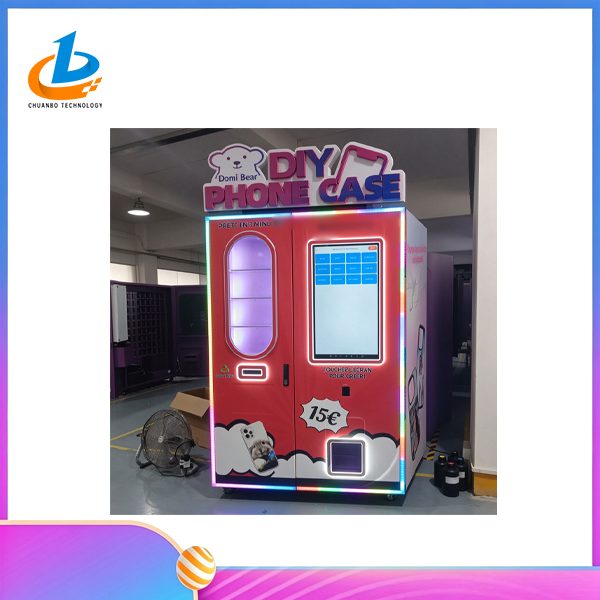
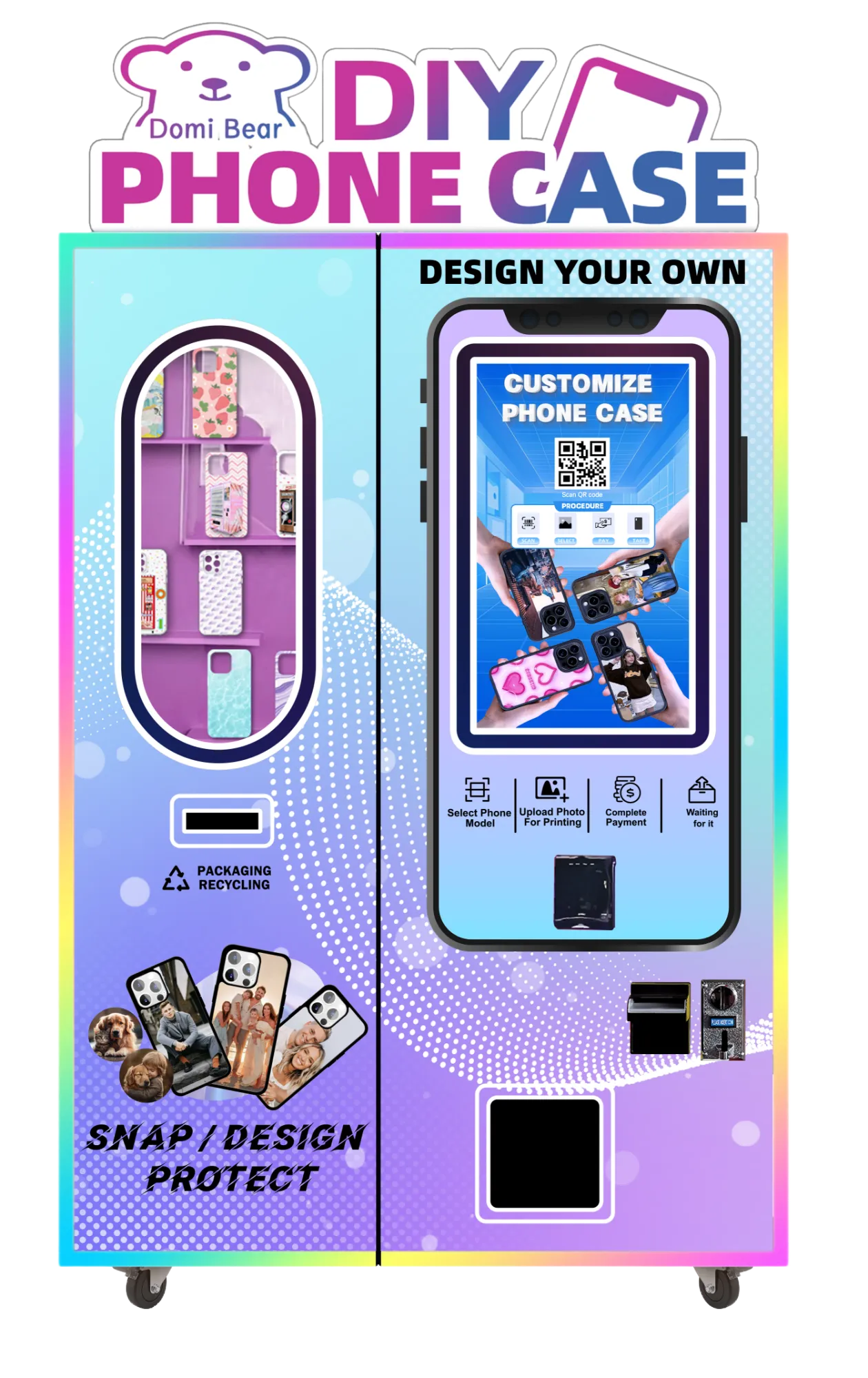
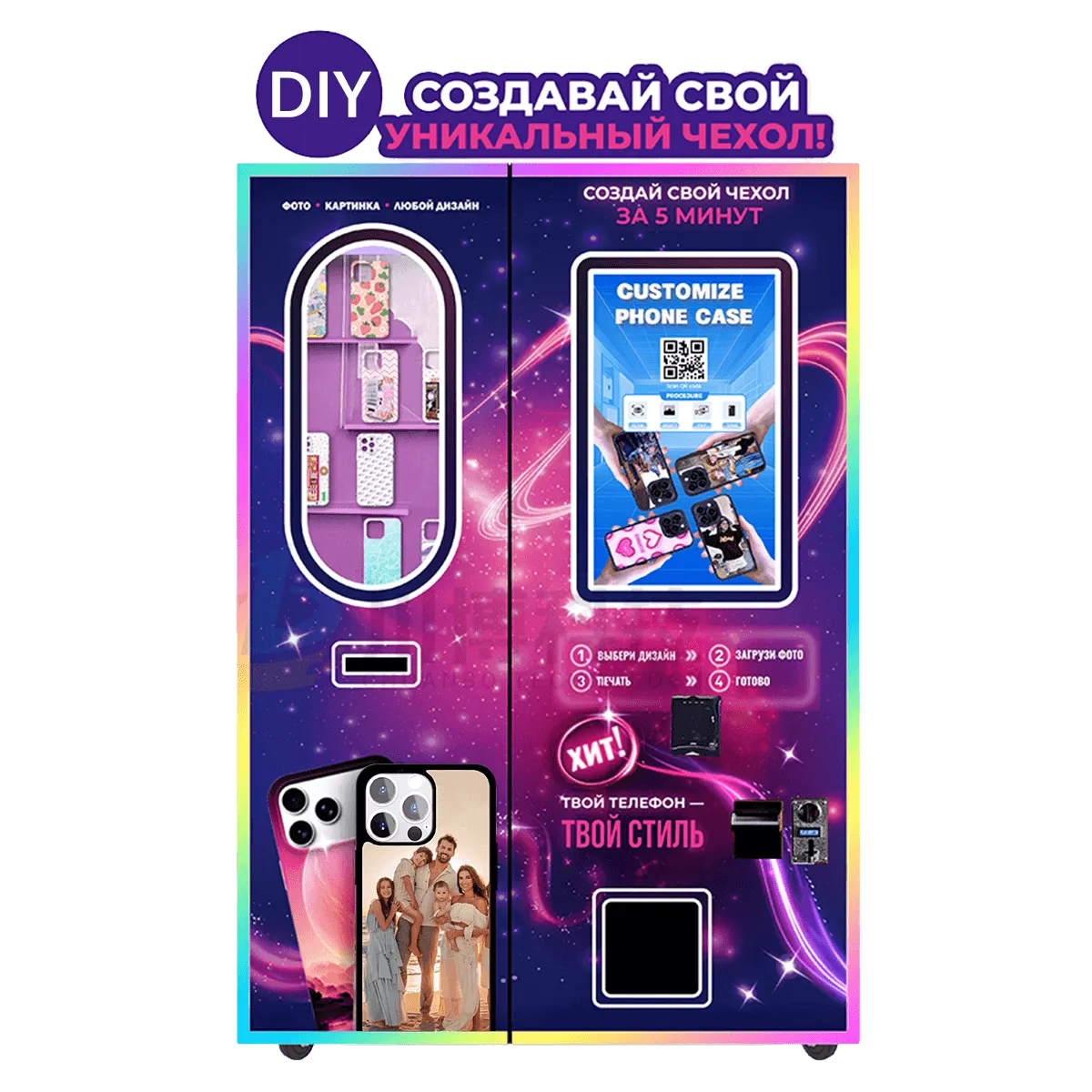
fully automatic phone case vending machine for Retail

fully automatic phone case vending machine

A phone case vending installation has to fit the location as closely as the cases fit the phones. A shopping mall corridor, university retail area and transport concourse create different demands for customer access, replenishment and fault response. A fully automatic phone case vending machine may suit these settings when its confirmed operating requirements match the site and the operator can support routine service. Automation alone does not establish suitability. Buyers should first clarify whether the proposed equipment dispenses finished cases or includes an additional customization process, because those functions require different materials and operating arrangements. Chuanbo Technology takes a budget-focused approach through requirement consultation, custom solution and quotation approval, design and production, followed by inspection and global delivery. This gives buyers a defined sequence for discussing site requirements before committing to a configuration. The sections below explain how to assess the application while keeping unconfirmed machine specifications separate from purchasing requirements.

Technical Detail

Configured around process stability, mold life, and long-term uptime.

An indoor retail location is a practical starting point for assessing a fully automatic phone case vending machine. Sheltered premises can simplify exposure management, but suitability still depends on the actual temperature, humidity, dust and cleaning conditions. Chuanbo Technology's requirement consultation stage provides a point to document those conditions before a custom solution and quotation are approved. For a shopping mall, examine the proposed position during normal trading hours. Customers need room to approach the interface and collect a purchase without obstructing circulation. The operator also needs access for replenishment and servicing. A narrow position can appear commercially attractive while making routine access difficult. Campus retail areas introduce a different consideration: access schedules. A machine located inside a building may be unavailable when the building closes, even if automatic operation is technically possible. At a transport location, customers may have limited time to complete a purchase, so the proposed interaction and collection process should be demonstrated before placement is agreed. Outdoor or partially exposed installation requires a separate assessment. Weather resistance, operating limits and enclosure suitability have not been supplied for this product. These conditions must therefore remain approval questions. Chuanbo Technology's budget positioning makes early site verification particularly useful: it helps buyers compare the proposed scope with the work the location actually requires. Installation should proceed once the supplier has confirmed the relevant dimensions, utilities and environmental requirements for the specific configuration.

Phone Case Printing Machine

How Case Materials and Phone Models Affect Compatibility

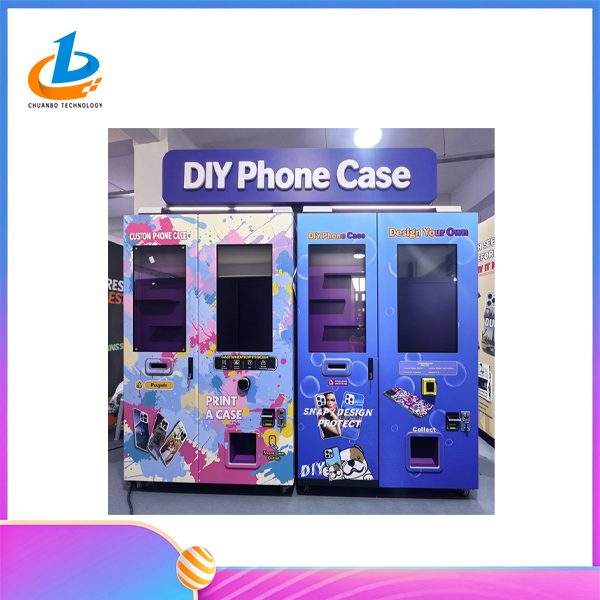
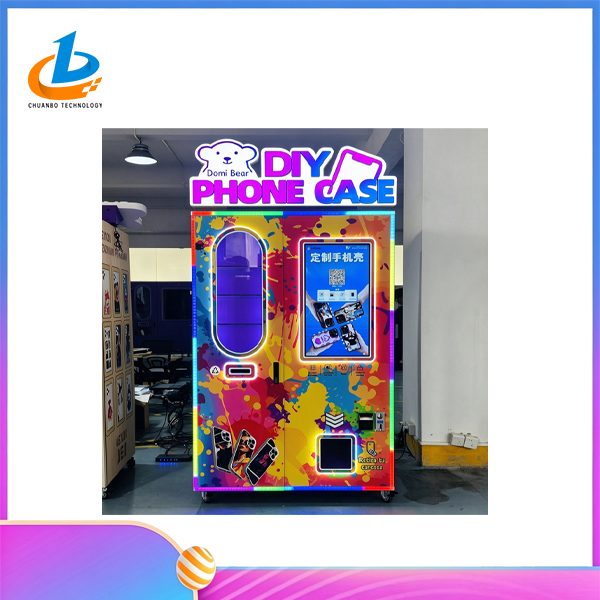
Compatibility has two separate layers: the phone model a case fits and the way that case moves through the machine. A case with the correct camera opening may still be unsuitable for a particular storage or dispensing mechanism if its packaging, thickness or surface behavior falls outside the equipment's accepted range. Flexible and rigid cases can behave differently during handling. Retail packaging also changes the dimensions presented to the mechanism. These are general engineering considerations; no supported material list or handling dimensions have been supplied for the Chuanbo Technology machine. The phrase fully automatic describes an operating sequence, but does not establish which case formats that sequence supports. Finished-case dispensing and on-demand customization also involve different material requirements. If customization is included in a proposed solution, the relationship between the case surface and the customization process needs its own technical explanation. Chuanbo Technology's stated custom solution stage allows these compatibility requirements to be defined, but it does not by itself confirm a particular mechanism, material range or printing capability.
Phone Case Printing Machine

Match Peak Demand to Capacity and Service Access

A location can be environmentally suitable and still create an unsuitable workload. Assess demand during the busiest trading period as well as across the full day. Concentrated arrivals can produce queues even when average sales appear modest. For the proposed Chuanbo Technology configuration, request evidence of the complete transaction cycle and usable inventory capacity. Neither has been provided, so a numerical throughput claim would be premature. Evaluate inventory by phone model as well as total quantity. A machine can retain substantial stock while running out of the cases customers actually need. Replenishment frequency therefore depends on the sales mix and the operator's access schedule. A workable installation needs enough confirmed capacity for the interval between planned visits, with allowance for uneven demand. Incorrect sizing can cause repeated stockouts, unnecessary visits or excessive unsold inventory. Service availability also affects suitability: if a dispensing fault occurs during an unattended period, someone needs a defined response route. A busy site with restricted service access requires closer assessment than traffic figures alone suggest.

Phone Case Printing Machine

Prepare a Configuration Brief Before Quotation Approval

Use Chuanbo Technology's stated sequence—requirement consultation, custom solution and quotation approval, design and production, then inspection and global delivery—to turn the site assessment into a purchasing brief. Start with the installation address and placement drawings. Include access restrictions, available utilities and the environmental conditions the equipment will encounter. Next, identify the intended case assortment and supply representative samples or packaging details where available. Specify whether the requirement is finished-case dispensing or includes customization. Add expected demand patterns and the planned replenishment interval so the proposed storage arrangement can be assessed against the operating plan. Ask the quotation to identify included equipment, any proposed accessories and responsibilities for installation. Payment methods or connectivity options should be confirmed if required; their availability has not been established here. Before approving production, agree what inspection will demonstrate. Relevant checks may include handling the agreed case samples and completing the specified transaction sequence. Obtain confirmation of delivery scope and destination documentation before treating the quotation as a complete project cost.

News

Industry updates

Products

Production modules

Why Choose Us

Chuanbo Technology: A Defined Process for Budget Planning

Chuanbo Technology offers a stated project sequence that buyers can use to structure technical and commercial review. Requirement consultation comes before custom solution and quotation approval, giving the buyer an opportunity to connect the proposed equipment with a real installation brief. Its custom solution stage is relevant when standard assumptions about the site or case assortment do not fit the project. Any adaptation should be recorded in the approved scope so its availability and cost are clear. The process also includes design and production, followed by inspection. Buyers can use that inspection stage to request evidence against agreed acceptance criteria, although no inspection protocol or performance results have been supplied. Global delivery is another stated part of the process; destination responsibilities and shipping terms still need confirmation. The brand information lists ISO 9001, FDA and CE. Request the underlying documents and check their scope against the proposed machine and destination requirements. Together, these process details give budget-conscious buyers concrete points for reviewing the proposal before placing an order.

FAQ

Common technical questions

Is dispensing capacity the same as the number of phone models supported?

No. Capacity describes how many saleable units a configuration holds, while model coverage describes the different phone-compatible cases it can offer. Storage allocation may affect both. Ask for a layout showing quantities by case format; no capacity or model count has been supplied for this machine.

Could this machine work in a temporary retail pop-up?

It may, if the confirmed installation requirements fit the premises and the setup costs make sense for the event duration. Check transport access, permitted utilities and removal arrangements. Dimensions, weight and relocation requirements need confirmation before booking the space.

What should staff do after a case fails to dispense?

Follow the operating manual for the supplied configuration and record the transaction and fault details. Use the documented customer-resolution procedure, then have authorized staff inspect the problem. Avoid forcing the collection opening or repeatedly restarting the machine without instructions. Model-specific recovery steps have not been provided.

Which cleaning products should we use on the screen and case-handling area?

Request the supplier's approved cleaning instructions for each surface. A cleaner suitable for the enclosure may be unsuitable for a touchscreen or case material. Staff should follow the specified shutdown procedure and avoid allowing liquid into openings. No cleaning-agent compatibility list has been supplied.

Need a solution for your project?

Share your product type, target capacity, and application requirements. Our team can review the details and recommend a practical next step.

Contact Us