 EN
 es
 fr
 pt
 ru
 ar
 de
 ja
 ko
 he
 tr
 nl
 it
 pl
 uk
 sk
 th
 da
 ro
 sv
 lt
 bg
 fi
 hr
 no
 ga
 sl

How Case Surfaces Affect Print Compatibility
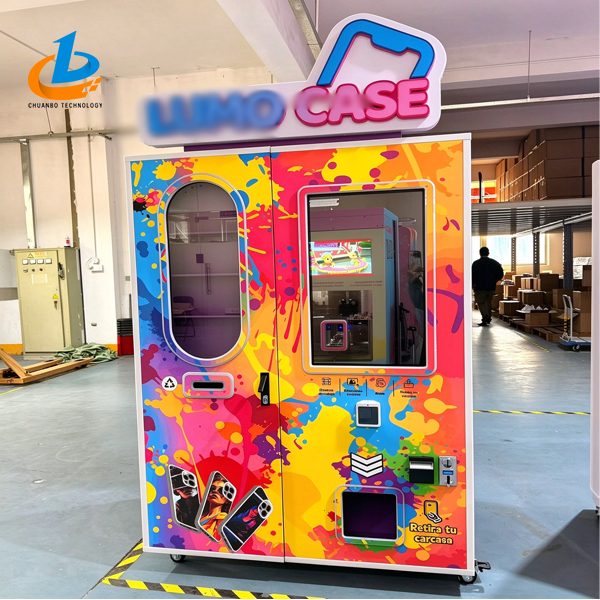
A phone case is a shaped substrate, and its surface influences how a printed image forms and stays attached. Rigid plastic, flexible polymers and coated blanks can behave differently. Surface texture, coatings and contamination may affect wetting or adhesion, while raised edges and camera surrounds can interrupt access to the intended print area. The machine's printing method also matters. If a proposed system prints directly onto the case, the relationship between the print process and the exposed surface determines what preparation or curing may be needed. If it uses an intermediate transfer process, the transfer material and application conditions introduce different requirements. Neither method has been specified for Chuanbo Technology's offering. Holding the case is another part of the process. A fixture establishes a repeatable position; movement or inconsistent seating can shift the artwork relative to openings and edges. Flexible cases may also change shape under restraint. These relationships explain why the phrase mobile case printing machine does not, by itself, establish compatibility with every phone case. Material names alone provide an incomplete description of the printing surface.