 EN
 es
 fr
 pt
 ru
 ar
 de
 ja
 ko
 he
 tr
 nl
 it
 pl
 uk
 sk
 th
 da
 ro
 sv
 lt
 bg
 fi
 hr
 no
 ga
 sl

How Fresh-Fruit Vending Functions Should Be Defined
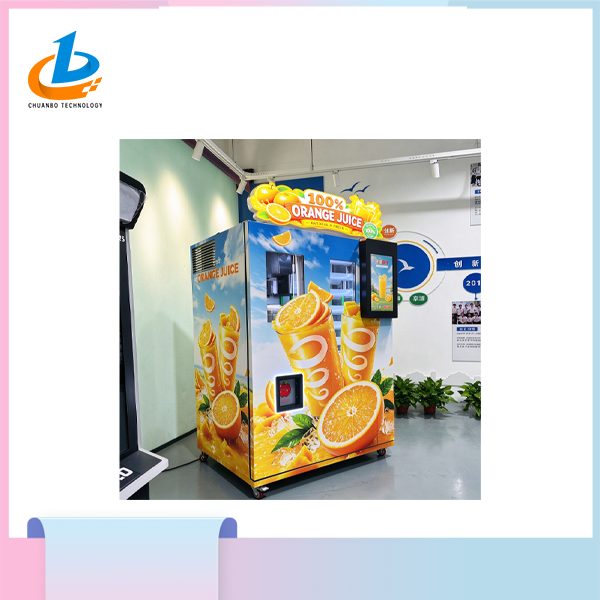
The phrase “fresh fruit juice” can describe different preparation systems, so the internal process must be stated precisely. A typical automated sequence may include customer selection, payment authorization, ingredient handling, juice preparation, cup dispensing, and waste collection. However, the provided product information does not confirm whether Chuanbo Technology's proposed machine squeezes whole oranges, processes cut apples, uses stored juice, or follows another method. Buyers should treat these as design questions rather than assumed features. Orange and apple also behave differently during preparation. Citrus fruit is commonly associated with squeezing, while apples normally require a suitable crushing, pressing, or preprocessed-juice route. Serving both from one cabinet may therefore require separate handling paths or a clearly defined shared process. The technical review should map every stage from loading ingredients to delivering the drink. It should also identify which parts contact fruit or juice, where residues collect, how wastewater or peel is managed, and how the machine prevents an incomplete cycle from reaching the customer. Understanding this process diagram gives operators a sound basis for discussing hygiene, replenishment, fault handling, and recipe consistency without relying on an ambiguous product label.