 EN
 es
 fr
 pt
 ru
 ar
 de
 ja
 ko
 he
 tr
 nl
 it
 pl
 uk
 sk
 th
 da
 ro
 sv
 lt
 bg
 fi
 hr
 no
 ga
 sl

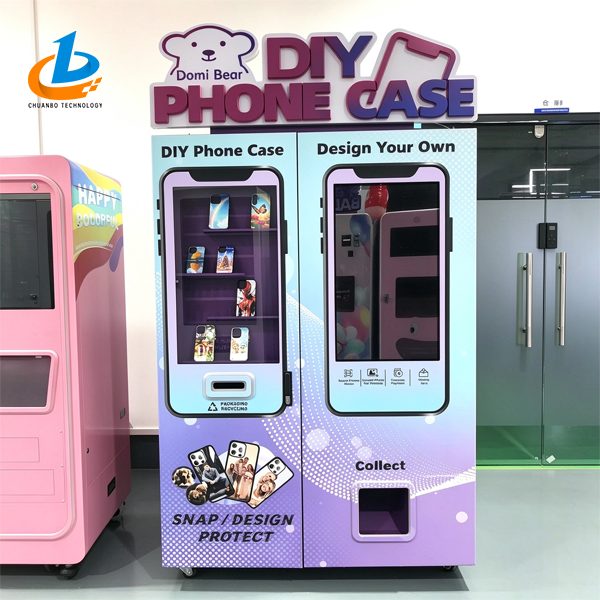
How Case Material and Surface Shape Affect Customization
Phone cases are made from different materials and may have flat, curved, textured, transparent, or raised surfaces. These conditions affect how artwork is transferred, how evenly the surface is covered, and whether the finished image remains bonded during normal handling. A phone case customization machine should therefore be assessed according to the actual case samples rather than the product name alone. TPU, silicone, polycarbonate, leather, and composite cases can require different preparation or decoration approaches, but the supplied information does not confirm which materials a specific Chuanbo Technology machine supports. Surface geometry matters as well. A flat back panel is generally easier to process than a case with deep edges, camera cutouts, strong curvature, or raised details. During technical consultation, the buyer should provide representative case samples and identify the decoration area, image position, and acceptable finish. This lets the supplier determine whether the proposed process can reach the required surface and whether additional fixtures or preparation steps may be needed. The machine’s actual working method and supported materials must be confirmed before purchase.