 EN
 es
 fr
 pt
 ru
 ar
 de
 ja
 ko
 he
 tr
 nl
 it
 pl
 uk
 sk
 th
 da
 ro
 sv
 lt
 bg
 fi
 hr
 no
 ga
 sl

How Case Materials Affect Printing Compatibility
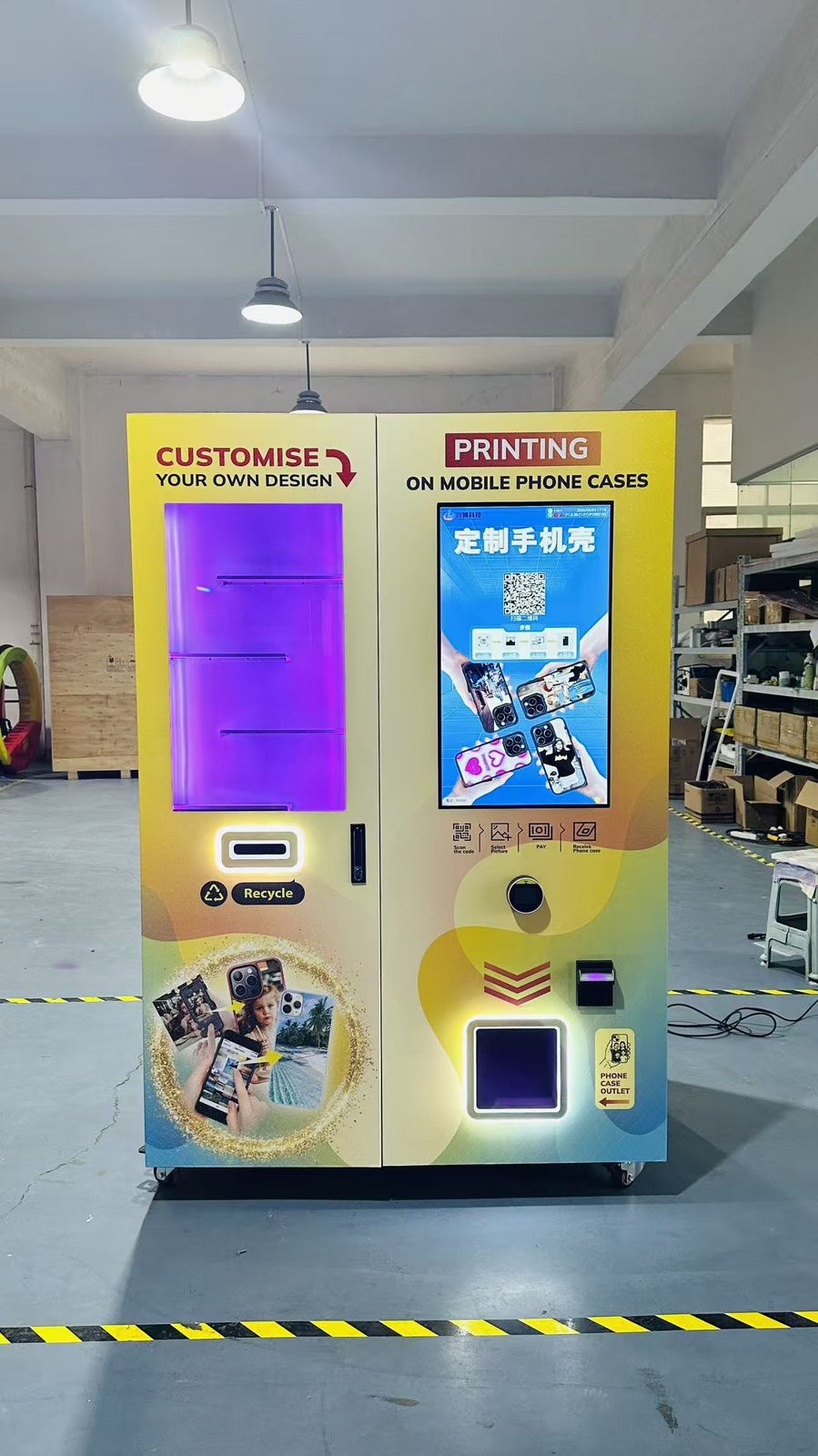
The printable case is part of the production system. Its surface material, coating and shape influence whether a printing process can produce an acceptable result. A design that looks sharp on a customer screen may reproduce differently on a dark, textured or curved surface. No printing method or supported material list has been supplied for Chuanbo Technology's proposed equipment. Compatibility therefore remains a configuration-specific question. For example, if a solution uses UV inkjet printing, adhesion and curing depend on the ink, substrate and process conditions. Other printing routes have different material requirements. These examples explain the relationship; they do not identify the technology fitted to this machine. Case geometry matters as well. Camera openings, raised edges and changes in thickness can restrict the printable area or complicate positioning. A phone model listed in an inventory does not, by itself, establish that every case style for that model is printable. This material-to-process relationship explains why finished appearance depends on the case blank and its positioning as well as the artwork file.