Contact us

Products

Budget-Friendly Smoothie Juice Vending Machine Solutions

smoothie juice vending machine

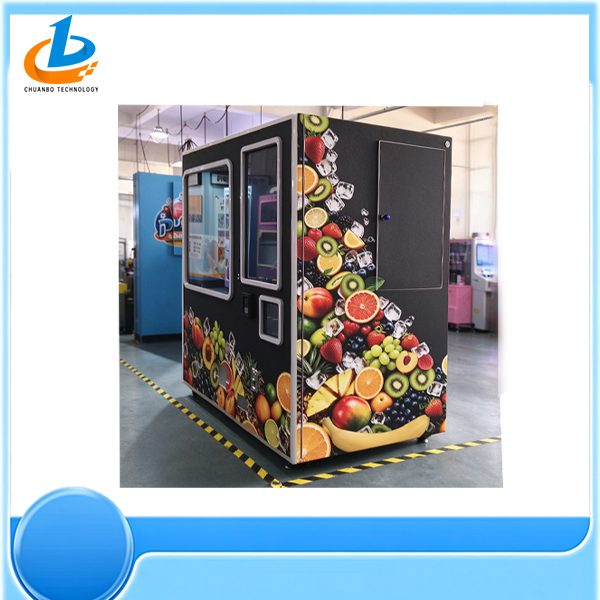
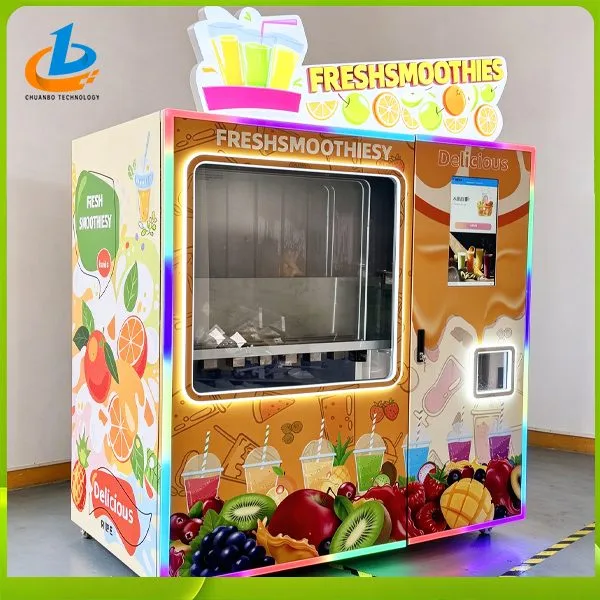
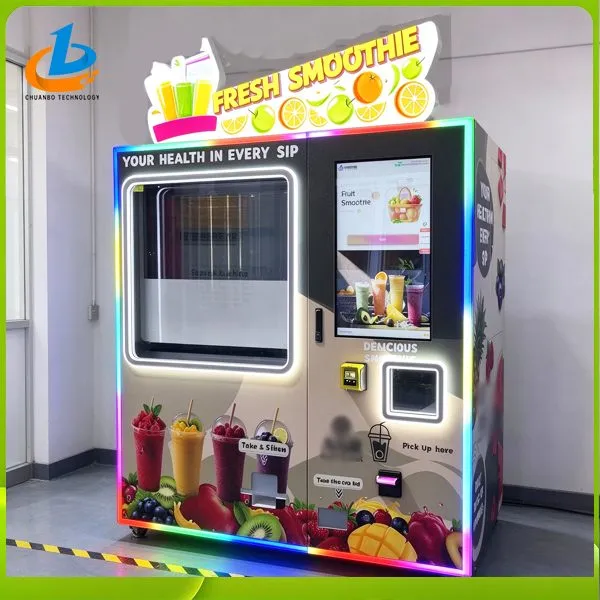
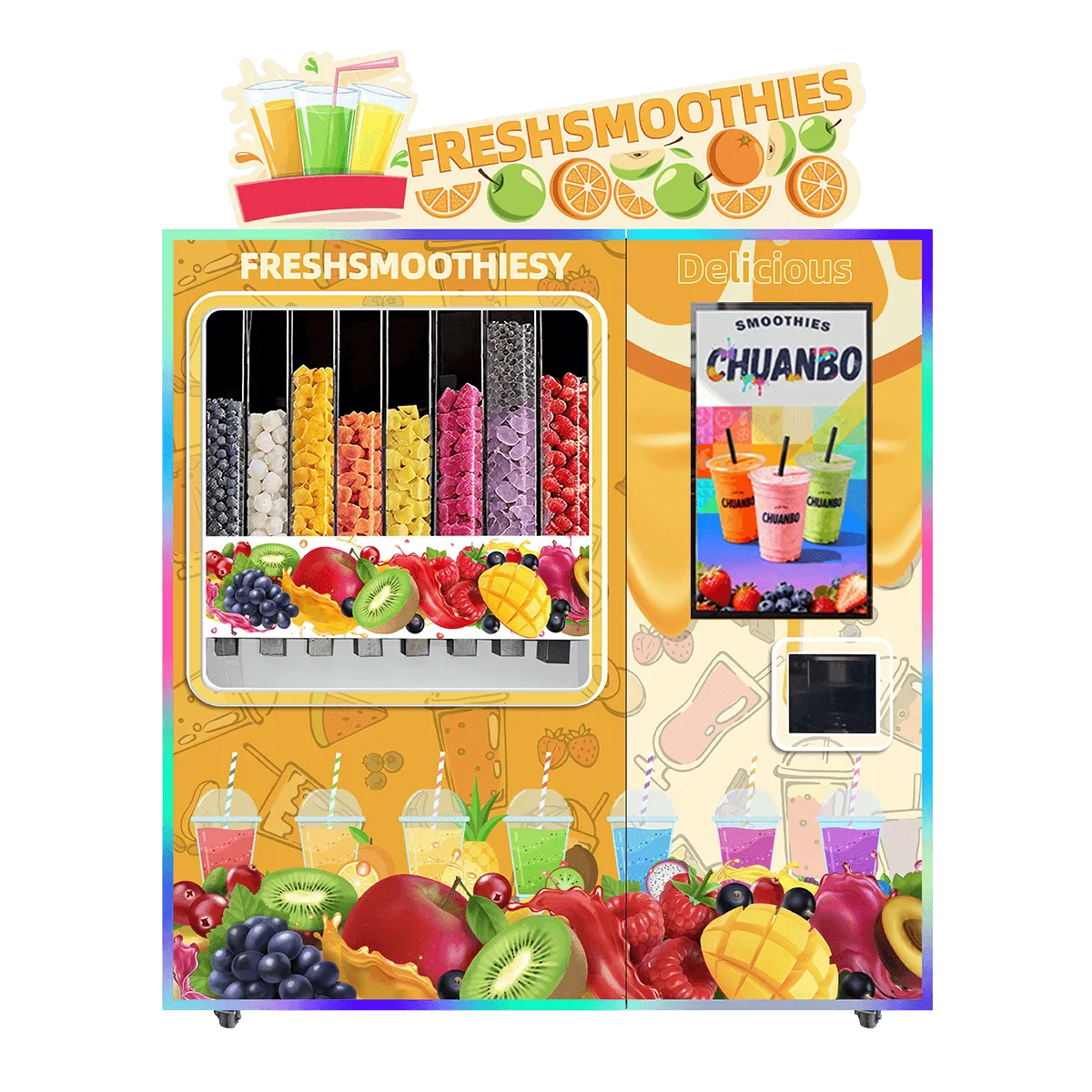
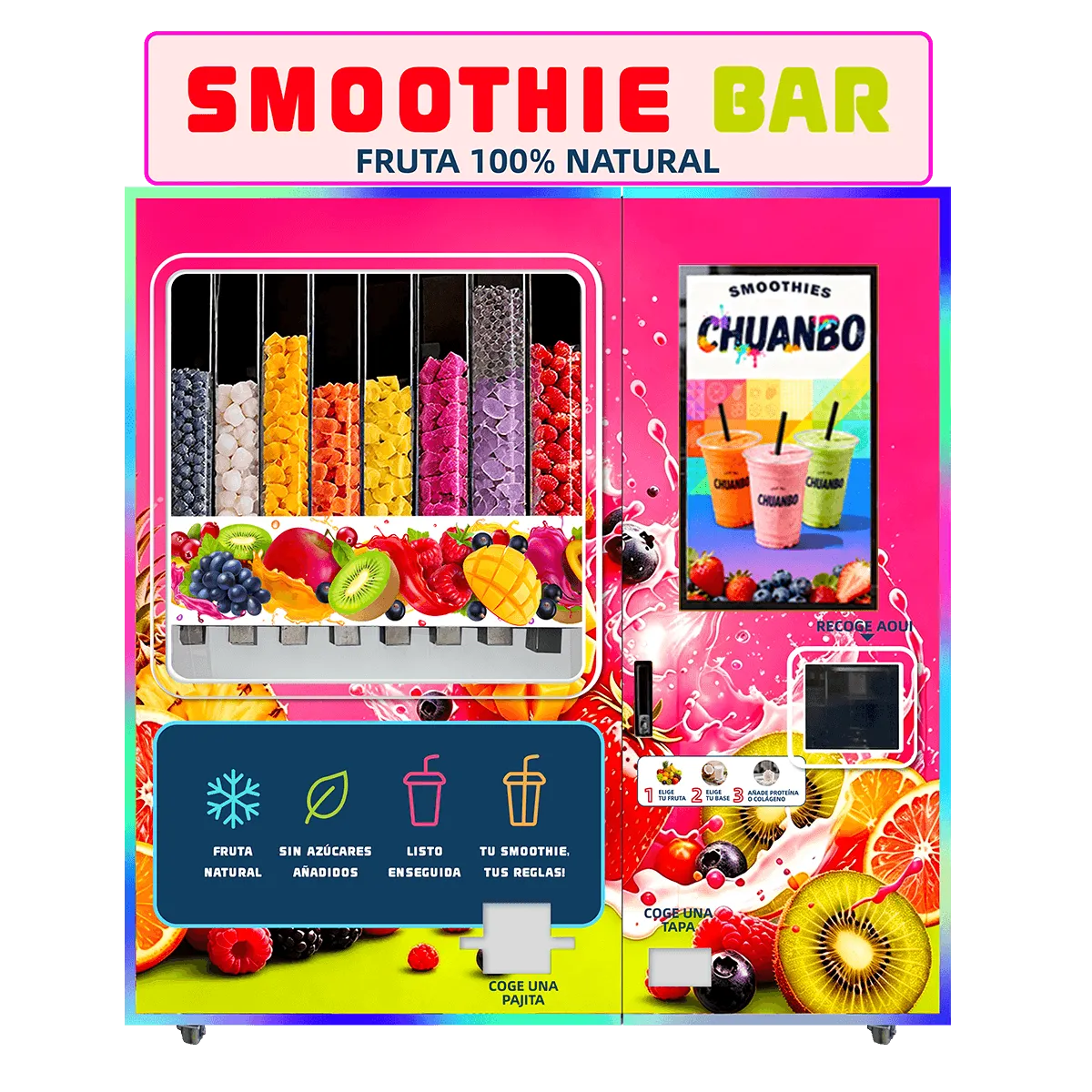
A smoothie juice vending machine is a self-service beverage system designed to prepare or dispense fruit-based drinks without requiring a staffed counter. Depending on its configuration, the machine may combine ingredient storage, portion control, mixing or dispensing, payment collection, and customer interaction in one enclosure. It can suit vending operators, beverage brands, shopping centers, workplaces, schools, hospitals, fitness facilities, transport locations, and other buyers seeking unattended drink service. Chuanbo Technology approaches this product as a budget-oriented, configurable project rather than presenting one fixed specification for every location. This matters because ingredient format, expected sales volume, local climate, cleaning routines, available floor space, and payment preferences can change the required design. The supplied brand information does not define capacity, dimensions, refrigeration range, cup size, or payment hardware, so these details should be confirmed before quotation. Buyers should begin by describing where the machine will operate, what type of smoothie or juice it must serve, and how frequently staff can refill and clean it. Chuanbo Technology then follows a structured process covering requirement consultation, solution approval, design and production, inspection, and global delivery.

Technical Detail

Configured around process stability, mold life, and long-term uptime.

The smoothie juice vending machine is intended for buyers who want to add automated beverage sales while keeping staffing and store-fit-out requirements under control. It may be considered by vending distributors, startup operators, established food and beverage companies, facility managers, and private-label equipment buyers. A suitable solution depends less on the machine’s appearance than on whether its ingredient handling and service routine match the intended business model. Chuanbo Technology positions its offering in the budget segment with a technical, project-based approach. Instead of assuming that one standard machine fits every buyer, the process starts with requirement consultation. A custom solution and quotation are then reviewed for approval before design and production begin. The completed equipment proceeds through inspection and global delivery. These four defined stages give buyers clear points at which to confirm scope and reduce misunderstandings before manufacturing. The brand also lists ISO 9001, FDA, and CE certifications. Buyers should request the applicable certificate copies and confirm which machine model, components, materials, or target market each document covers, since certification relevance can vary by configuration and destination. No fixed technical specifications have been provided for this product, so storage capacity, beverage output, dimensions, electrical supply, refrigeration method, payment options, and interface languages should not be assumed. The most suitable buyers are those prepared to share practical operating details and approve a documented configuration before production. This allows the final quotation to reflect the required functions without automatically adding unnecessary equipment cost.

Smoothie Vending Machine

How an Automated Smoothie and Juice System Is Typically Structured

A smoothie juice vending machine generally coordinates several functional areas: ingredient storage, controlled dispensing, drink preparation, cup handling, payment, and user commands. The exact arrangement depends on whether the planned menu uses liquid juice, concentrate, powder, frozen ingredients, fresh ingredients, or prepacked products. Some formats may need active cooling, while others may rely on shelf-stable inputs; buyers should not assume that one storage method supports every recipe. During an order discussion, the preparation sequence should be mapped from customer selection through delivery of the finished drink. This helps determine which operations must be automated and which tasks remain part of daily staff service. The internal layout also affects cleaning access, refill time, waste handling, and the amount of usable ingredient space. Because no component list or verified performance figures have been supplied, Chuanbo Technology would need to confirm the proposed structure during requirement consultation and design. A useful technical brief should state the ingredient form, number of recipes, desired serving sizes, cup or container type, and whether blending is required. These details define the operating mechanism more accurately than the general product name alone.
Smoothie Vending Machine

Where the Machine Fits—and Where Extra Validation Is Needed

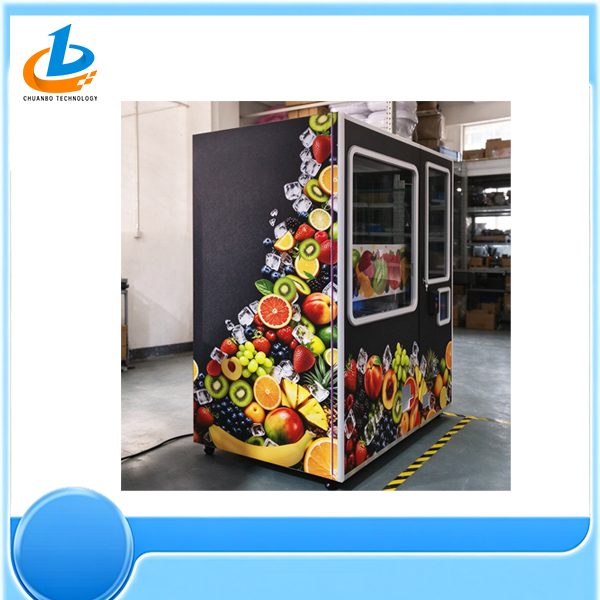
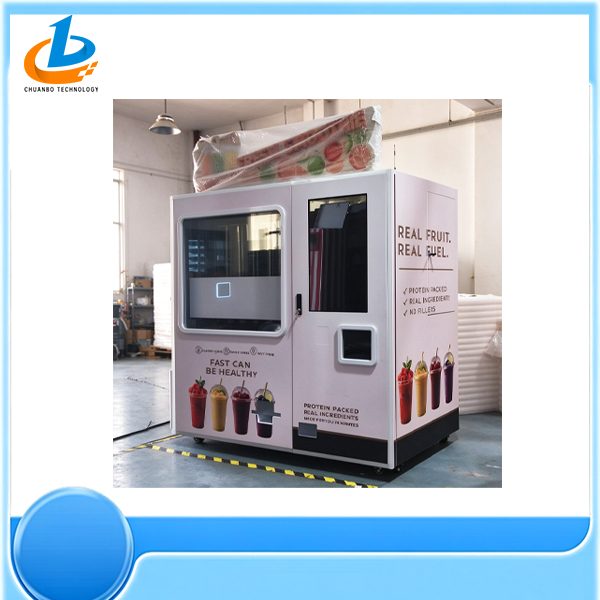
Location conditions should be evaluated before selecting a smoothie juice vending machine. Indoor sites with stable power, controlled temperature, routine staff access, and predictable customer traffic are usually easier to manage than outdoor or semi-outdoor placements. Shopping centers, offices, gyms, campuses, hospitals, hotels, and transport facilities may all be potential applications, but each creates different demands for output speed, noise, refill frequency, payment access, and physical security. Ingredient choice is another decision point. Products that require strict refrigeration, frequent washing, or short holding times may increase operating attention compared with shelf-stable beverage inputs. Buyers should check whether local food-service rules require specific sanitation procedures, material declarations, temperature records, or operator permits. Available space must also allow doors and service panels to open safely. Power voltage, frequency, plug type, network availability, ambient temperature, humidity, and ventilation should be documented rather than estimated. Outdoor use, extreme heat or cold, unstable electricity, and locations with infrequent cleaning access require additional technical review. Chuanbo Technology can assess these conditions during consultation, but suitability should only be confirmed after the intended site and operating routine are clearly described.

Smoothie Vending Machine

Information to Prepare Before Requesting a Configuration

A useful quotation request should give Chuanbo Technology enough information to define the machine rather than relying only on the phrase smoothie juice vending machine. Start with the destination country and installation setting, including indoor or outdoor placement. Add the available floor area, doorway restrictions, electrical supply, expected daily customer volume, and preferred operating hours. The beverage brief should identify ingredient format, recipe count, serving sizes, cup type, and whether the machine must mix, blend, chill, or simply dispense. Buyers should also specify preferred payment methods, interface language, branding requirements, remote monitoring expectations, and any accessibility considerations. For food-contact and market-entry review, request documentation relevant to the final configuration and destination; do not assume that a general certificate automatically covers every component or jurisdiction. Maintenance planning should include refill frequency, cleaning responsibility, drainage availability, waste collection, and access to replacement consumables. After these points are submitted, Chuanbo Technology’s stated workflow moves from requirement consultation to custom solution and quotation approval, followed by design and production. Confirm the approved specification in writing before manufacturing, including functions, included accessories, external branding, inspection criteria, packing, and delivery destination.

News

Industry updates

Products

Production modules

Why Choose Us

A Controlled Route from Requirements to Global Delivery

Chuanbo Technology offers a practical combination of budget positioning and technical project control for smoothie juice vending machine buyers. The process begins with requirement consultation, allowing the team to understand the beverage format, installation site, operating routine, and commercial objective before recommending a solution. This reduces the risk of paying for functions that do not support the intended operation or overlooking requirements that would be expensive to change later. The custom solution and quotation approval stage gives the buyer an opportunity to review the proposed scope before design and production. Inspection is included as a defined step before global delivery, creating a clear checkpoint for the agreed configuration and finished equipment. The company also lists ISO 9001, FDA, and CE certifications, which may support quality-management, food-related, or market-compliance discussions. Buyers should still verify the scope and validity of the documents against the selected model and destination. For distributors, operators, and private-label projects, the main advantage is a documented path from initial needs to production rather than an unexplained off-the-shelf purchase. Where specifications are not yet defined, the team can build the discussion around real site conditions and required functions instead of unsupported assumptions.

FAQ

Common technical questions

What is the difference between a smoothie vending machine and a juice vending machine?

The difference usually comes from the preparation method and ingredient format. A smoothie system may require blending or mixing to create a thicker drink, while a juice system may dispense liquid, concentrate, or a reconstituted beverage. Some machines can potentially support both formats, but compatibility must be confirmed from the proposed ingredient system, cleaning process, refrigeration needs, and recipe design.

How often does a smoothie juice vending machine need cleaning?

Cleaning frequency depends on the ingredients, internal food-contact path, operating temperature, sales volume, and local hygiene rules. Fresh, dairy-containing, or residue-producing recipes may require more frequent attention than sealed or shelf-stable inputs. Ask for the cleaning procedure, accessible parts, approved cleaning materials, and recommended service schedule for the final configuration before placing an order.

Can the machine be used in a gym, school, or hospital?

These locations may be suitable if the configuration matches their operating and compliance requirements. The buyer should review available space, customer volume, permitted ingredients, noise, security, cleaning access, electrical supply, and payment preferences. Schools and hospitals may also apply specific nutrition, accessibility, sanitation, or procurement rules that must be checked locally.

Which technical details are needed to choose the right model?

Prepare the destination country, installation environment, available dimensions, voltage and frequency, ingredient form, recipe count, cup sizes, expected sales volume, payment methods, language, branding needs, and cleaning arrangement. Since no fixed models or specifications are provided here, Chuanbo Technology should use these details to recommend and quote an appropriate configuration.

Can I select cashless payment or remote monitoring functions?

Payment and monitoring options are configuration-dependent and have not been specified in the supplied product information. State the required payment types, local network conditions, preferred reporting functions, and destination market during consultation. Chuanbo Technology can then confirm availability, compatibility, and the items included in the quotation without assuming unsupported features.

Need a solution for your project?

Share your product type, target capacity, and application requirements. Our team can review the details and recommend a practical next step.

Contact Us