 EN
 es
 fr
 pt
 ru
 ar
 de
 ja
 ko
 he
 tr
 nl
 it
 pl
 uk
 sk
 th
 da
 ro
 sv
 lt
 bg
 fi
 hr
 no
 ga
 sl

How Case Dimensions and Packaging Affect Dispensing
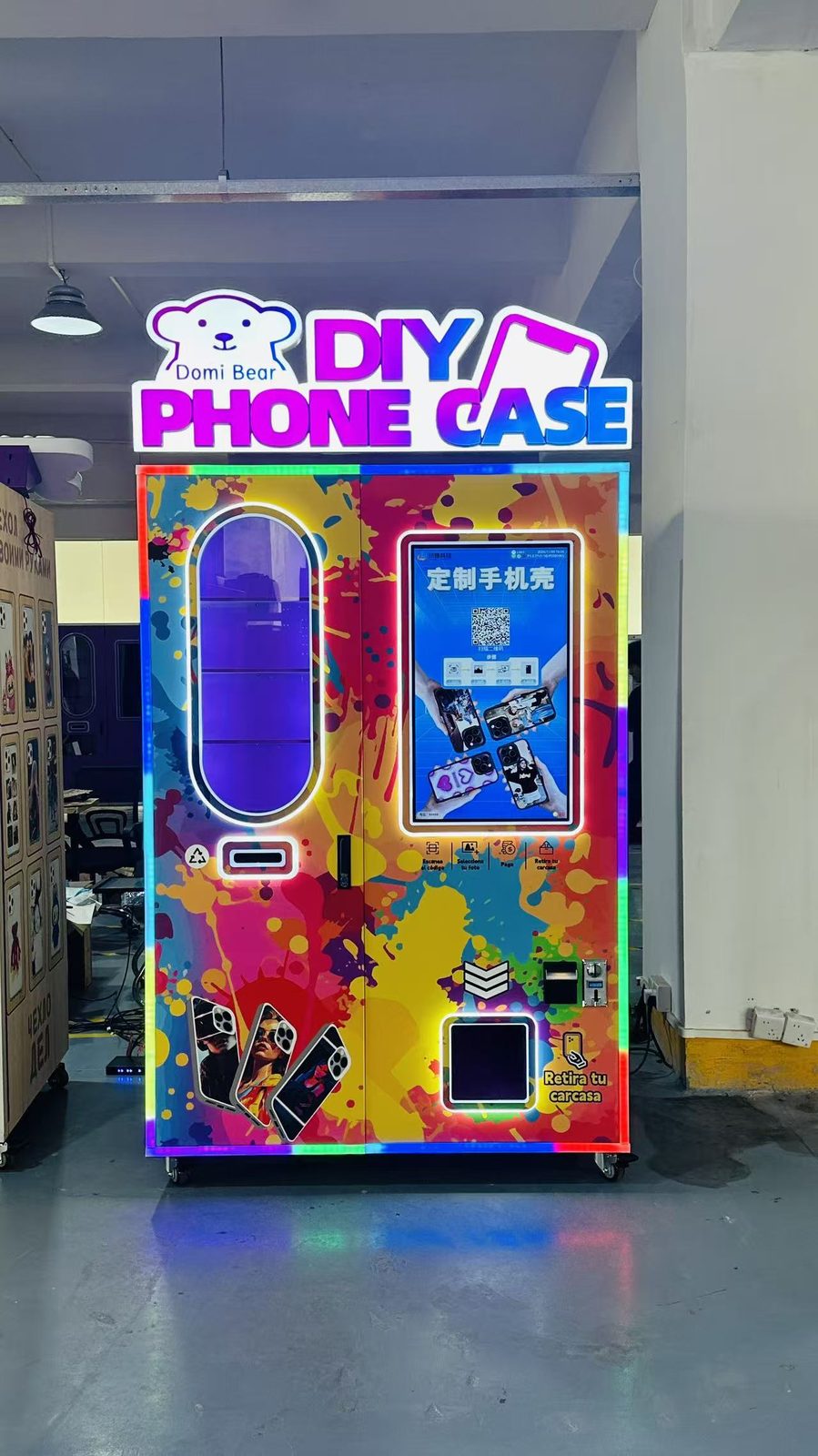
A phone case is not a uniform vending item. Cases for different handset models vary in length, width and thickness, while protective packaging changes the dimensions that a dispensing mechanism actually handles. Flexible sleeves and rigid boxes can also behave differently during storage and release. These differences explain why a machine described as suitable for phone cases may still have limits on individual stock formats. For a vending-only configuration, the physical relationship involves the stored item, its retaining arrangement and the path to the collection area. An item that catches, bends or shifts can interrupt delivery even when its nominal dimensions appear acceptable. Personalization introduces a separate material interface if that function is present: case surface composition and shape can affect how a process holds or treats the item. Chuanbo Technology lists custom solution approval before design and production, but the supplied information does not identify a dispensing mechanism or supported materials. Consequently, adjustable storage, universal case compatibility and printing capability should all remain unconfirmed. Understanding these interfaces explains why the actual saleable item, including its packaging, matters more than the general label 'phone case.'